

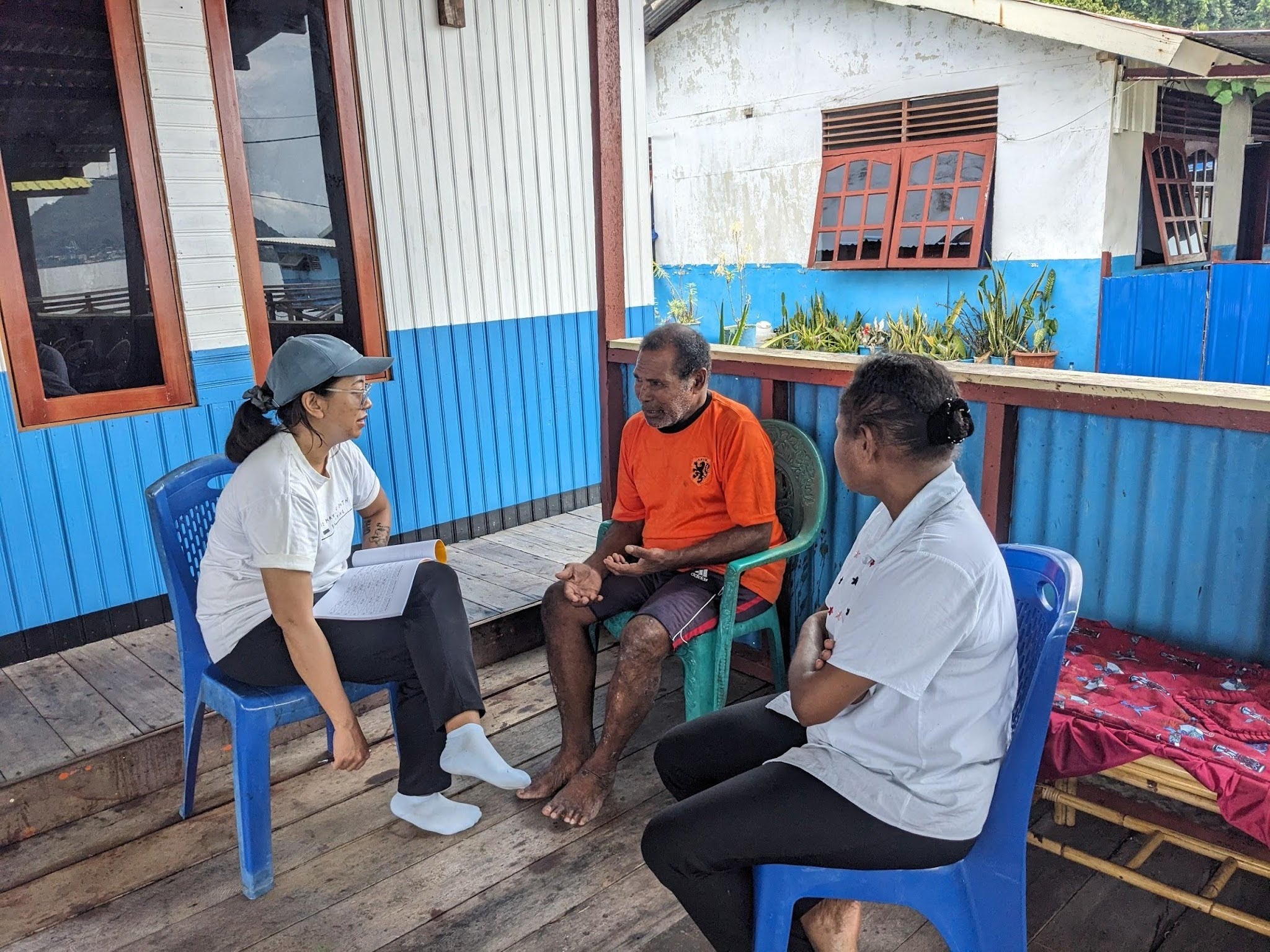
We tested the effectiveness of mobile clinic and pill organizers to increase the frequency of elders’ health assessments and improve medication adherence.
Project Type
- Test Potential Solutions
THE PROBLEM
Older adults face a high prevalence of degenerative diseases such as diabetes mellitus, hypertension, heart disease, cancer, stroke, osteoporosis, and rheumatism (Suiraoka, 2012). In Papua, access to elderly healthcare services, such as Posyandu Lansia (community-based health posts for older adults), remains limited. Many older adults choose not to attend regular check-ups because of the long distances they must travel to reach these facilities.
This issue is also evident in the proposed project location. According to data from Yendidori in Papua Province as of August 31, 2017, out of approximately 183 registered older adults, only between 74 and 120 individuals (65.57%) actively participate in Posyandu Lansia activities, leaving many without access to regular health monitoring.
Even among those who attend healthcare services, another challenge persists: many older adults often forget to take their medication regularly.
THE SOLUTION
The development of a mobile clinic system designed to increase the frequency of regular healthcare check-ups among the elderly population. In addition, we will introduce pill organizers to improve medication adherence.
THE EXPECTED IMPACT
Improved participation of older adults in healthcare services and better medication adherence.
THE PROJECT RESULT
Mobile clinic visits increased the number of health assessments among older adults. However, medication adherence remained low across all participant groups despite the use of pill organizers. Participants in both treatment groups still struggled to obtain their prescriptions and, as a result, rationed the medicine they had instead of taking it as directed. Future trials should ensure that a doctor accompanies each mobile clinic visit so prescriptions can be issued and medications dispensed on-site.
The higher well-being scores in the control group suggest that important baseline characteristics—such as whether an older adult was independent, semi-dependent, or fully dependent—were not evenly balanced across groups despite randomization.
This project is implemented by Yayasan Kopernik on behalf of our partner who provided grant funding for this project.
